Where Mint Repel Is Used
The units, the lots, the dealerships and the fleets our customers are treating — and what to prioritize on each.
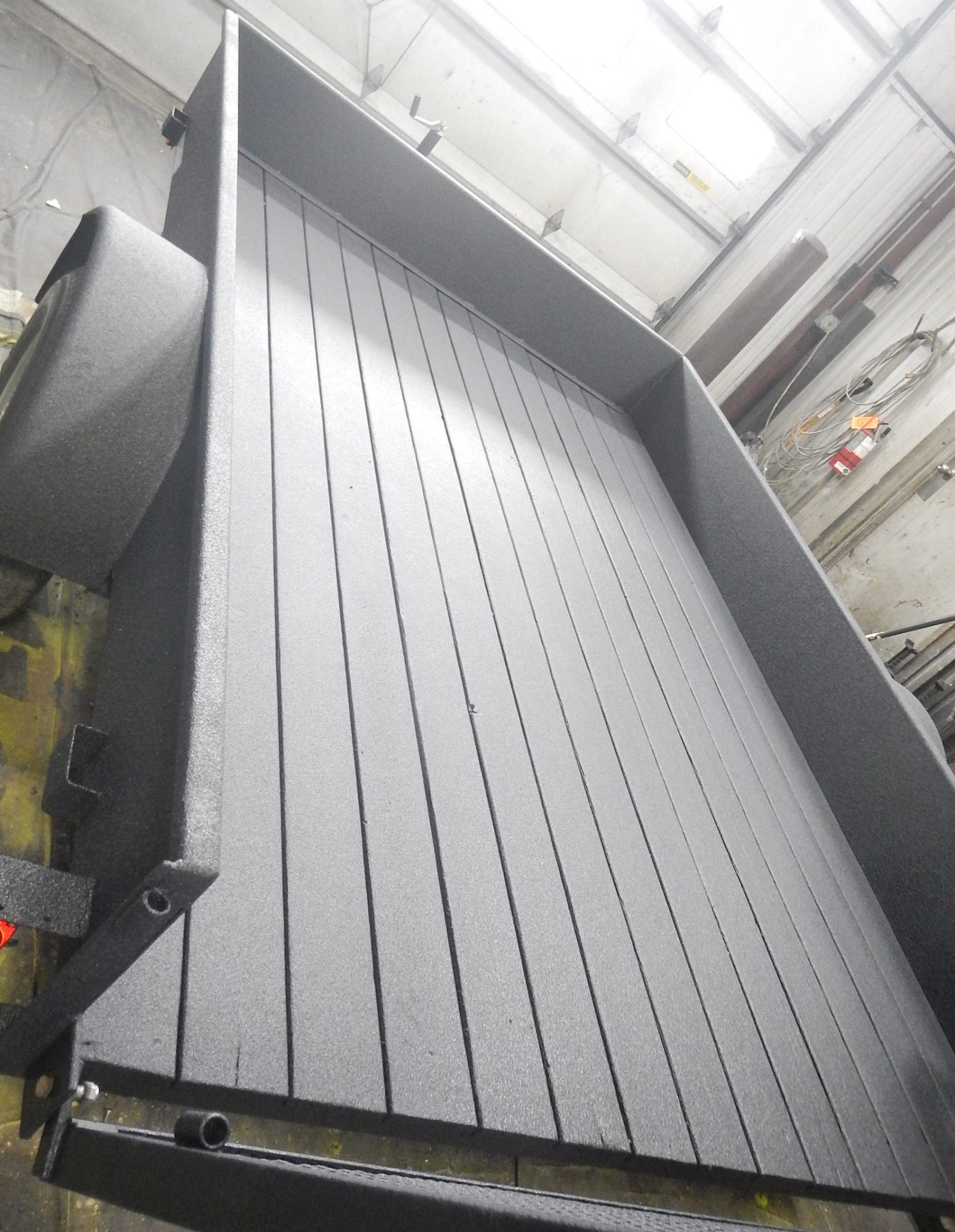
Motorhomes & Class A Coaches
A big coach gives a rodent more ways in than any other vehicle on this page. The chassis is deep, the basement bays are enclosed and warm, and there are dozens of penetrations where wiring, plumbing, and control cabling cross the floor.
The damage that follows is disproportionately expensive because of where it happens. A chewed harness on a coach is not a twenty-dollar repair — it is diagnostic labor tracing an intermittent fault through a loom bundled behind a wall, on a vehicle that has to come off the lot to do it.
Concentrate the mint chemistry where the harnesses run and where the basement floor meets the chassis, then carry it across the rest of the underbody as a coating.
Spec: Repel Gel / Mint Repel over degreased, dry chassis steel — full underbody with deliberate build at wiring pass-throughs, plumbing penetrations, and bay floor seams. Request the current TDS for film build and coverage on your chassis length.
Travel Trailers & Fifth Wheels
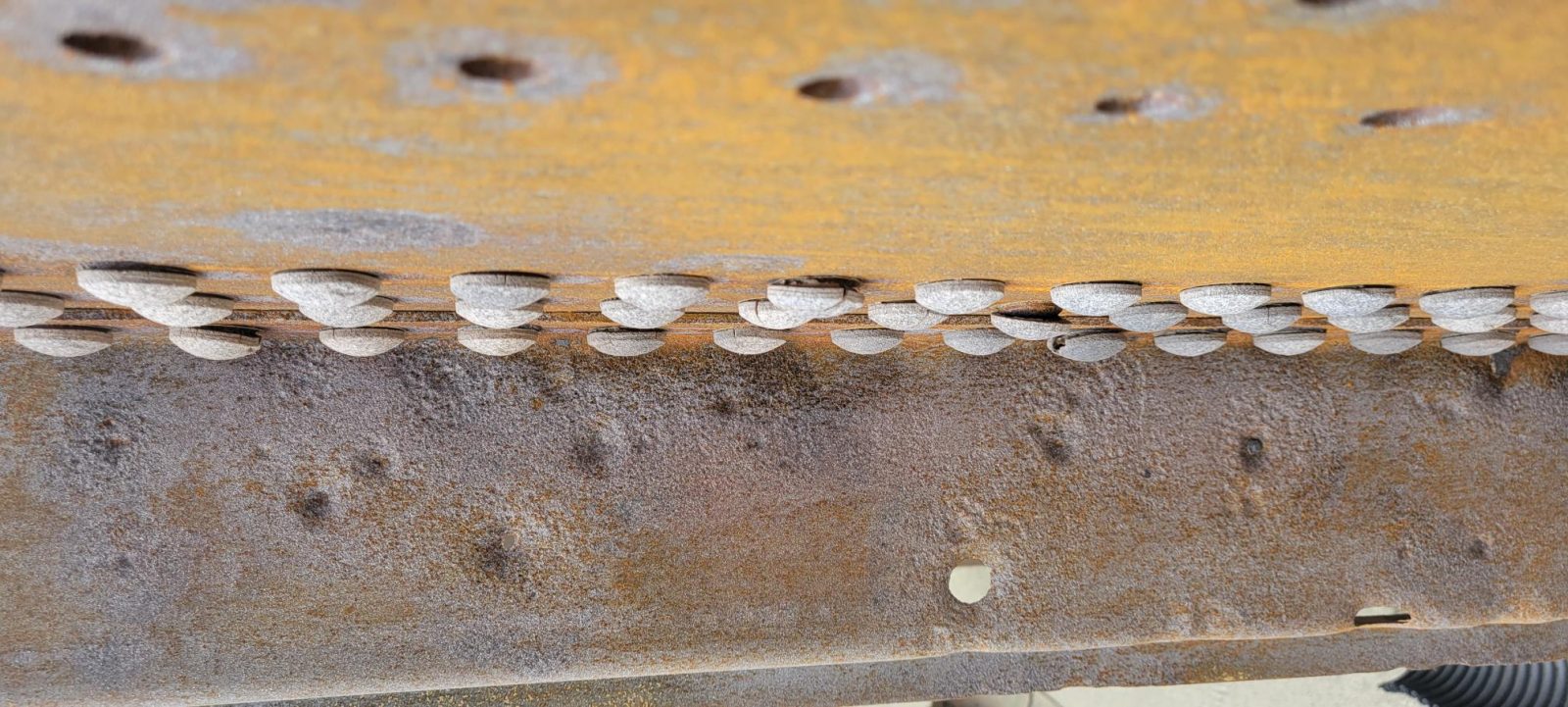
Towables have the opposite problem: less structure, more soft underbody. The corrugated belly pan on most trailers is a thin membrane over a cavity full of insulation batting and plumbing runs — which, from a mouse's point of view, is a pre-built nest with heat tape in it.
The seams where that pan is fastened, the wheel well returns, and the frame crossmembers are the access points that matter. So is the slide-out mechanism, which is a hole in the floor by design.
These are also the units most likely to sit unmoved for six months, which is the condition that turns an entry point into a colony.
Spec: Repel Gel / Mint Repel across the belly pan, frame rails, and crossmembers, with attention to the pan seam and the slide-out opening. Request the current TDS for coverage per linear foot of trailer.
Mobile & Manufactured Homes
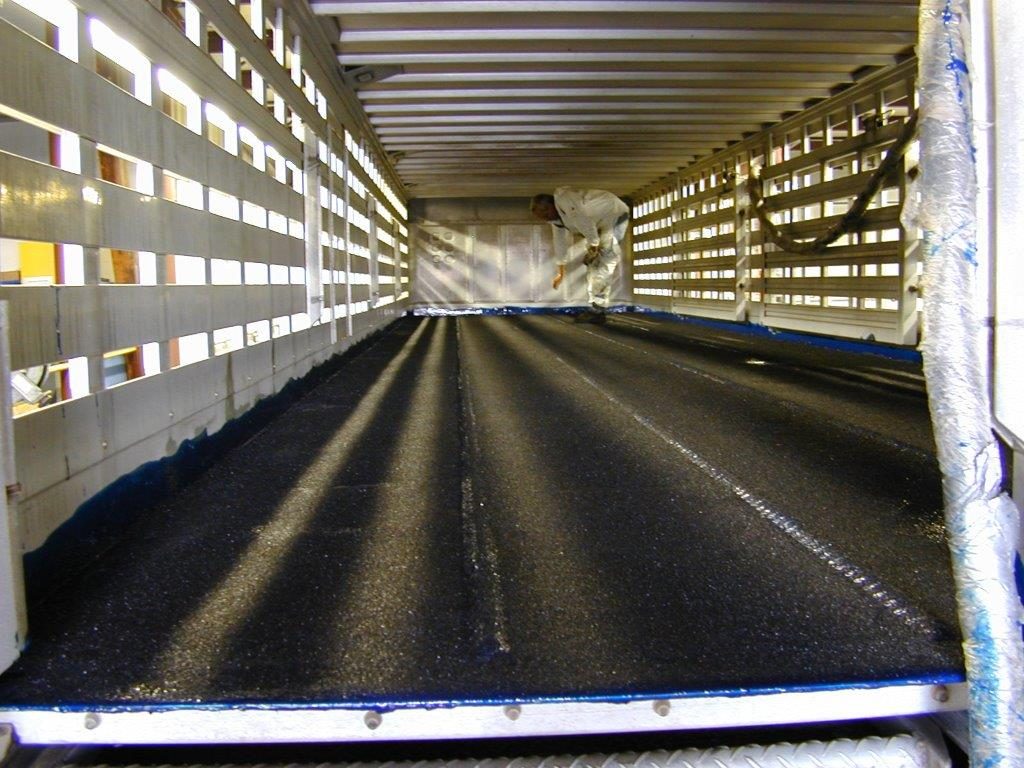
A manufactured home sits over a crawl space or on piers behind a skirted perimeter, and the underbelly is a membrane stretched beneath the floor joists with insulation packed behind it. Functionally that is a belly pan on a much larger footprint, with the added problem that nobody ever looks at it.
The penetration list is the same: plumbing drops, the duct trunk crossing the floor, electrical feeds, and the tears that open around every repair ever done underneath. Once something is inside the underbelly it has the whole floor system to work with, and the first sign an owner gets is usually a smell coming out of a floor register in the spring.
Almost every surface here is overhead, which is where the gel body earns its keep. And because it brushes on as readily as it sprays, a crew can treat an underbelly under a skirted home without dragging a compressor and a rig into the crawl space.
Spec: Repel Gel / Mint Repel across the underbelly membrane and the steel frame beams below it, with build at duct and plumbing penetrations and at any previously patched section. Request the current TDS for coverage by home width and length.
Dealer Lots, PDI & Pre-Delivery Prep
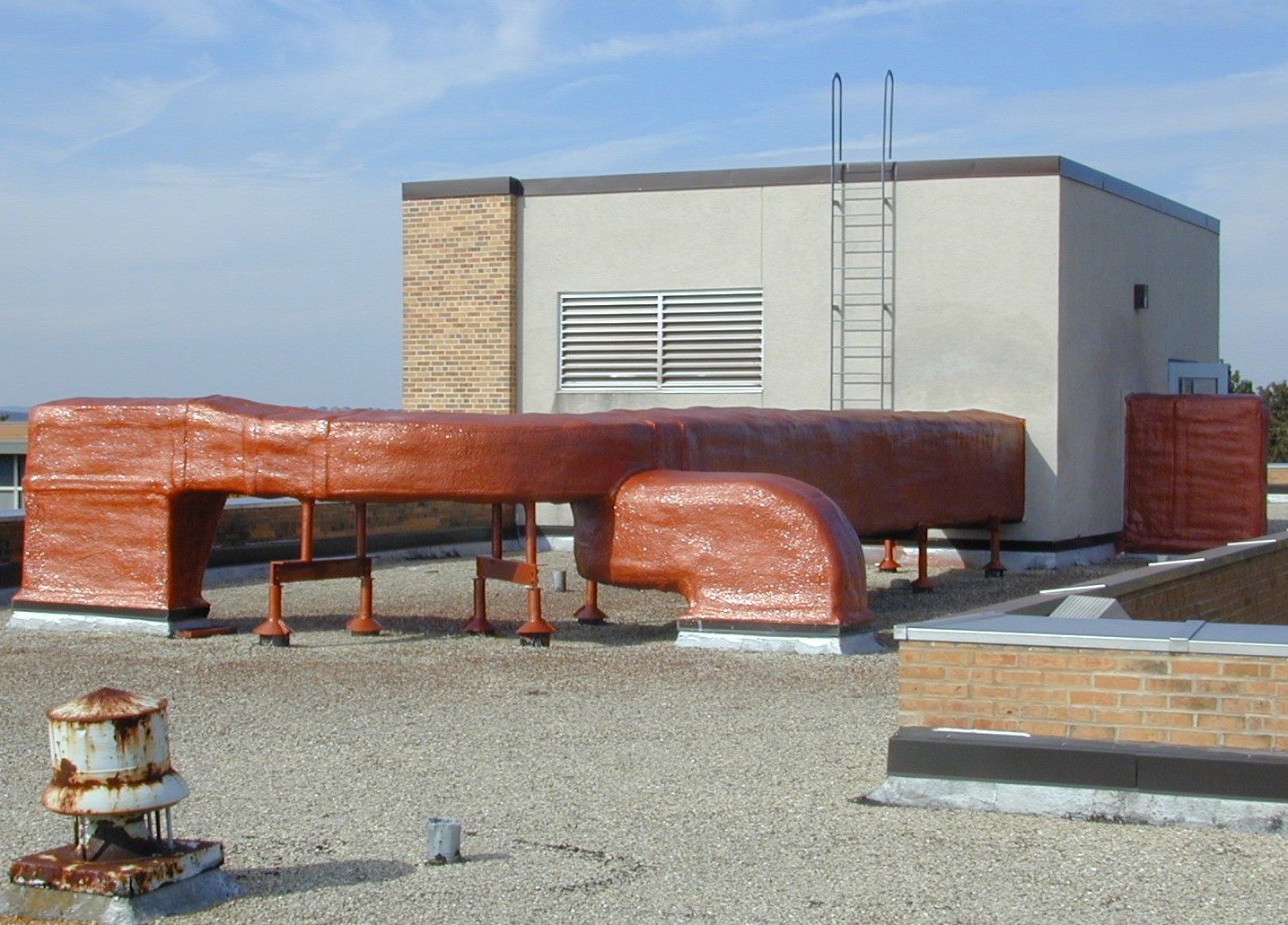
A dealership has a version of this problem nobody else does: the damage happens to a unit that has not been sold yet, so it is entirely on the dealer, and it is usually discovered by a customer during a walk-through.
Rows of inventory sitting quiet on a gravel lot next to a field is close to ideal habitat. Nothing is running, nothing is being opened, and there is a windbreak every eight feet.
Dealers use it three ways. Inventory protection — treat on receipt, and a unit that sits a season is not the one you find a chewed harness in on delivery day. A dealer-added value item — applied at PDI and handed over as underbody protection the buyer never had to think about, which is an easier conversation than most add-ons because every camper buyer has already heard the mouse stories. A service line — a paid item on a winterization or storage-prep ticket.
The number behind all three is the repair. Chewed wiring, belly pan insulation and soft goods are diagnostic labor rather than parts, and the discovery date is the worst one available: at delivery, or when a customer brings the unit back. The labor to prevent it is less of an obstacle than people expect — because the gel can be brushed as well as sprayed, a lot porter with a bucket, a brush and a creeper can treat a unit. No rig, no bay, no certified applicator.
Spec: Repel Gel / Mint Repel applied at PDI or on receipt, full underbody. Volume pricing available by the pallet — tell us lot size and turn rate and we will build the schedule.

Storage Facilities & Seasonal Lots
Storage operators sit in an awkward spot. The units are not yours, the damage is not technically your liability, and yet every rodent claim in the lot becomes a conversation with a customer who is deciding whether to renew.
The lot-wide reality is that rodents do not respect the line between space 14 and space 15. One untreated unit with an open belly pan supports a population that works the whole row.
Offering treatment as a paid add-on at check-in solves it two ways: it generates revenue per unit, and it reduces the number of springtime phone calls that start with "there are mice in my camper."
Spec: Repel Gel / Mint Repel applied at intake, refreshed on the storage cycle. Request the current TDS for reapplication interval and per-unit coverage so you can price the add-on properly.
Work Trucks, Service Fleets & Trailers
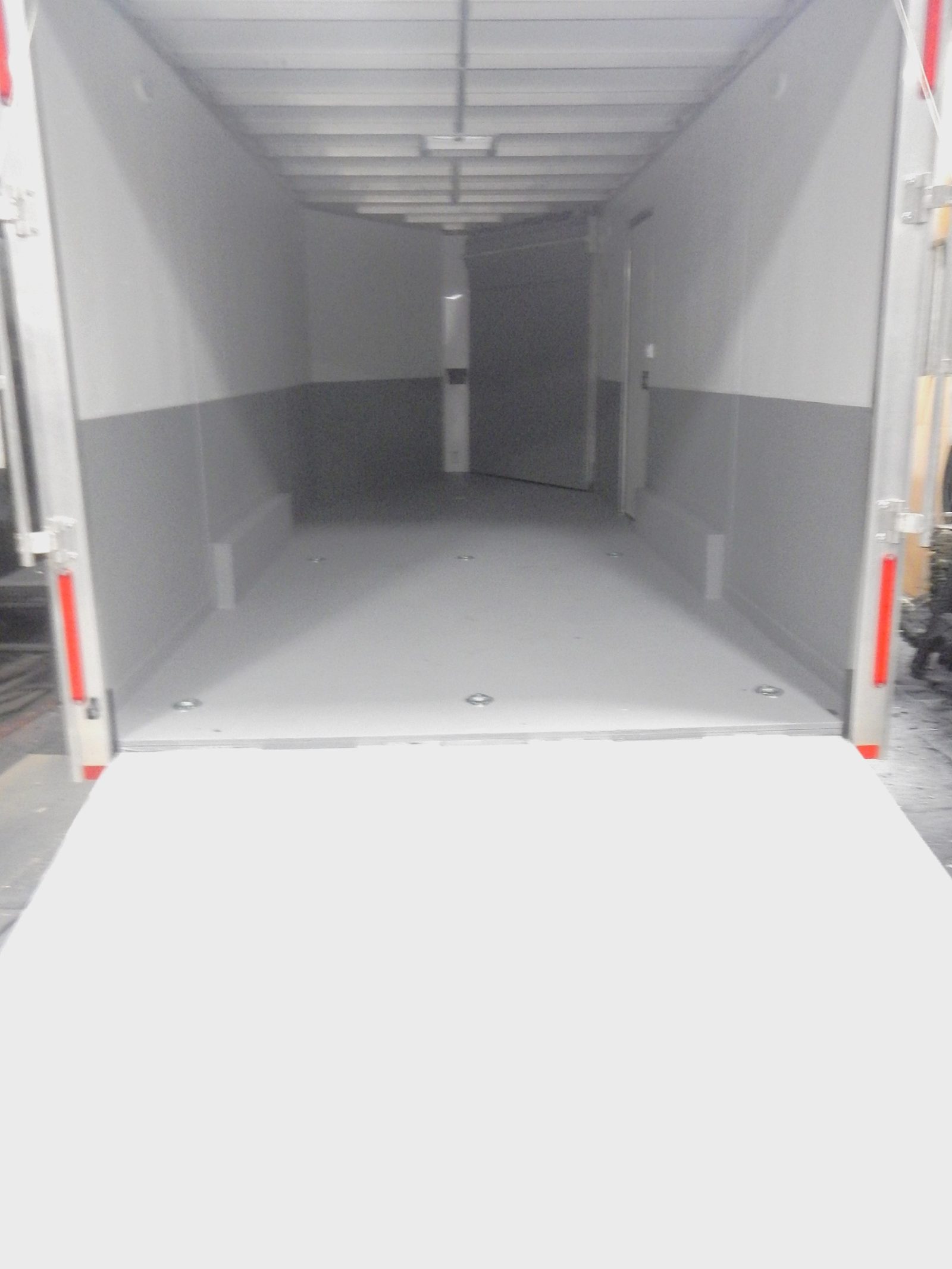
Fleet vehicles get hit in the shoulder seasons and on the units that rotate out of daily service — the spare, the seasonal equipment trailer, the truck waiting on a part. A vehicle that sits three weeks in a yard is long enough.
On the fleet side the cost is rarely the repair. It is the truck that will not start on the morning it was scheduled, and the crew standing around while somebody traces a chewed ground strap.
The mint chemistry does double duty here, because the underbody wanted a coating regardless — these are the same frame rails fighting road salt all winter.
Spec: Repel Gel / Mint Repel on frame rails, crossmembers, and harness runs of any unit expected to sit. Request the current TDS for coverage per vehicle to build your material budget.
Also Regularly Treated
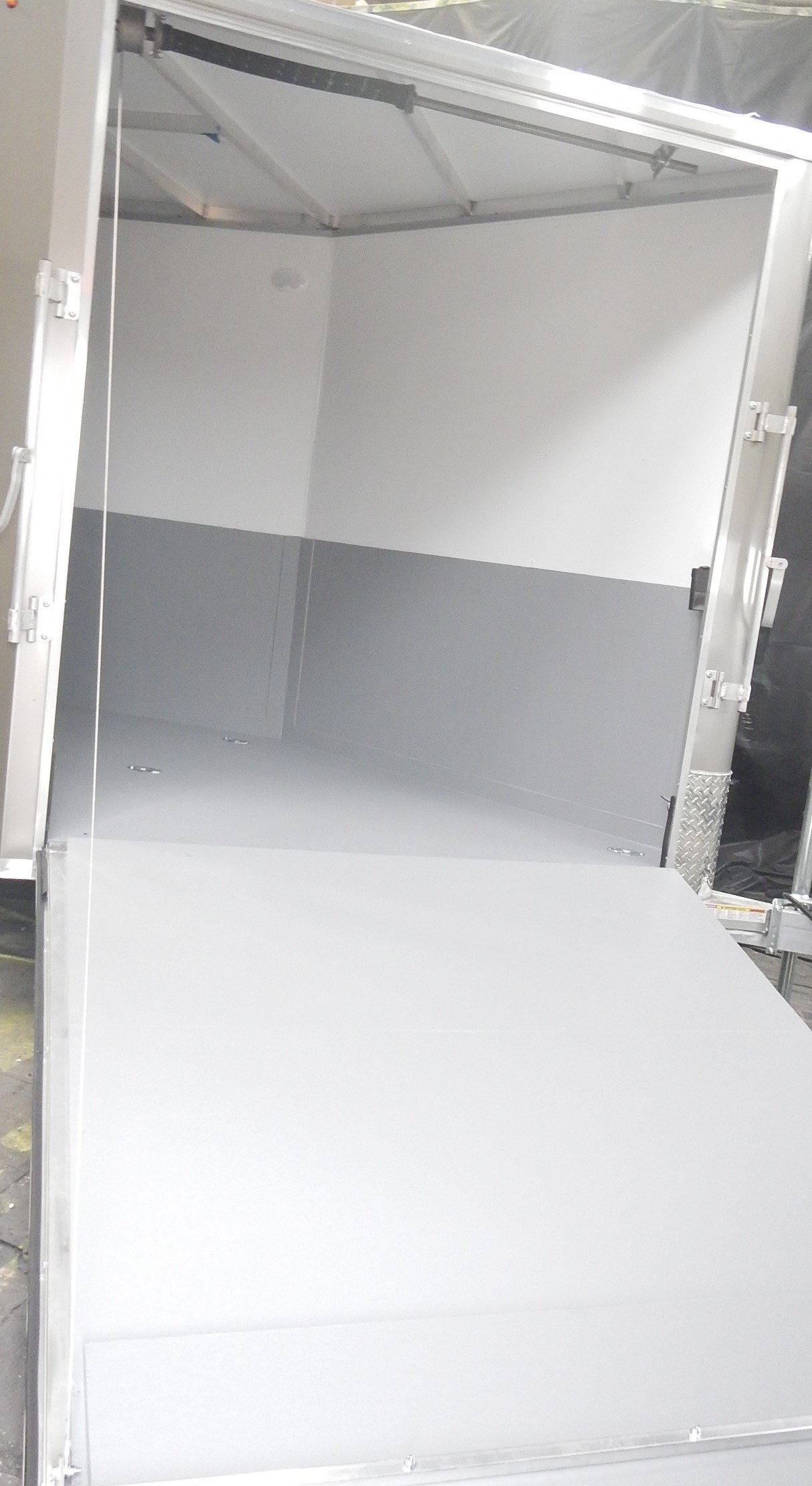
- Truck campers and toy haulers — the ramp door seal and generator bay are the two access points worth extra attention
- Horse and livestock trailers — feed residue makes these a magnet even when nothing else on the property is
- Boat trailers and marine storage — shrink-wrapped hulls on trailers that sit all winter in the same yard
- Collector and classic vehicles — barn and garage storage, where the carpet and wiring are the irreplaceable parts
- Utility and equipment trailers — enclosed cargo trailers in particular, which are essentially a shed on wheels
- Farm and ag equipment — cab wiring on machinery that sits between seasons next to a grain source
- Food truck and vending trailers — units that sit between events with residual food scent on board
- Park models and seasonal cabins — set down once and never moved, with a skirted underside nobody inspects
- Trailer manufacturers — line-applied at build for OEMs offering it as a factory option
Opening a Dealer Account
Camper, RV, trailer and mobile home dealers, service departments, storage operators and RV parks: send your lot size, typical unit mix, and roughly how many units a year you would treat. You will get the wholesale schedule, the current technical data sheet, and WatchGuard private-label options if you would rather it carried your name than ours.
Talk to Us About Dealer PricingNot Sure How Much You Need?
Send us the unit type and count. We will come back with material quantity, the current data sheet, and pricing at your volume — plus a straight answer on whether to brush it or spray it for your situation.
Get a Material EstimateRequest Pricing & Current TDS
Tell us about your project and we will follow up with product details, technical data sheets, and pricing.